The Tesla Paradox: Silicon Valley’s Safety Darling Meets the Muscle Car’s Worst Habit
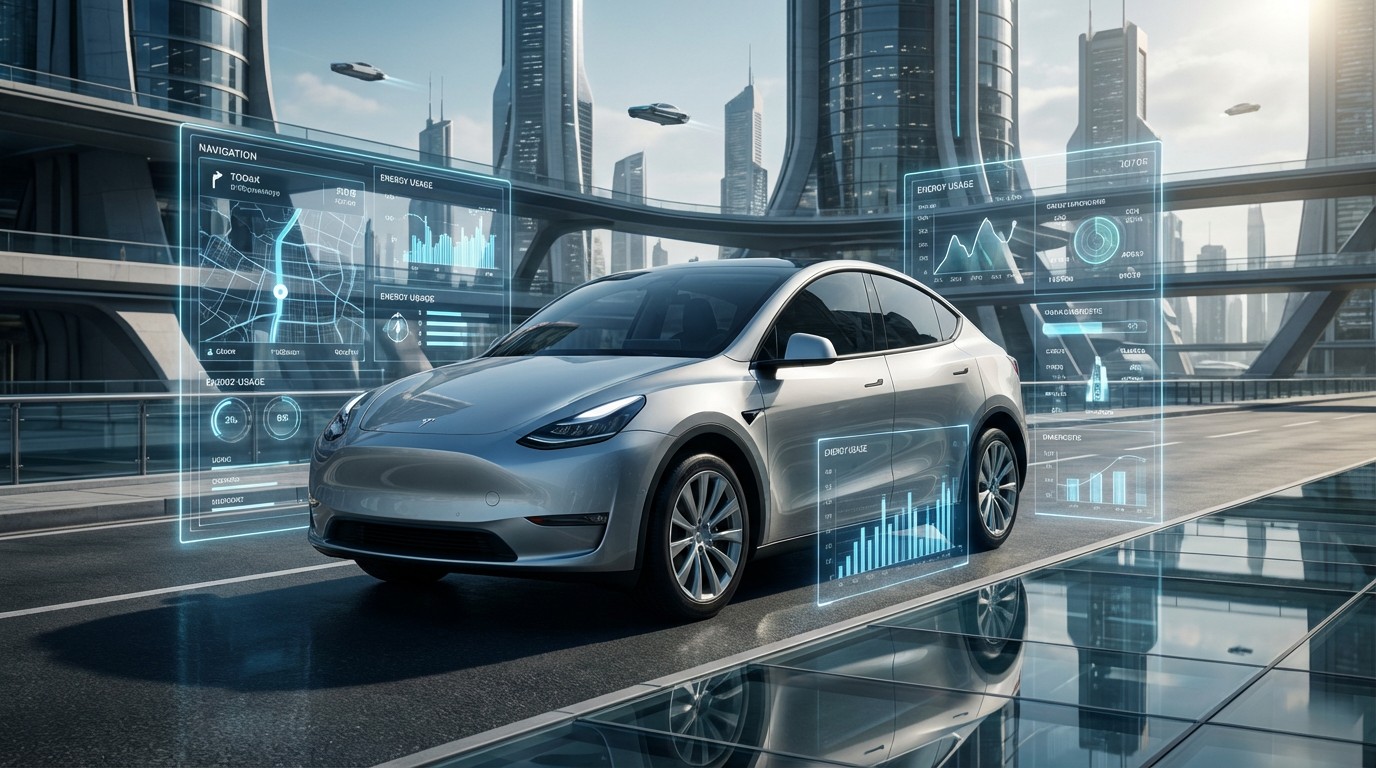
The Tesla Model Y is statistically the safest place to be in an American pileup, boasting a death rate of just 0.03 per 100 million miles traveled, yet its luxury sibling, the Model S, is being driven with the intoxication profile of a vintage Corvette.
Silicon Valley has long promised that software would solve the “human problem” of driving. For the most part, the hardware is holding up its end of the bargain. The Tesla Model 3 and Model Y are data-driven miracles of crumple zones and low centers of gravity, posting death rates so low (0.05 and 0.03 respectively) that they make the stalwart Honda Accord (3.07) or even the Ford F-150 (1.04) look like relics of a more dangerous era. If you are inside a modern Tesla, you are almost biologically engineered to survive the impact.
But FARS toxicology data reveals a widening “behavioral gap” within the brand. While the mass-market Model 3 drivers display a perfectly average impairment rate of 20.1% in fatal crashes, the flagship Model S is a different beast entirely. At a 24.0% impairment rate, Model S drivers are as likely to be drunk or high during a fatal wreck as those behind the wheel of a Chevrolet Corvette (26.2%) or a Cadillac CTS (25.9%).
It is the ultimate automotive paradox: Tesla has built cars that are nearly impossible to die in, only to have their most expensive model adopted by a demographic that seems determined to test those limits. While the Model Y quietly protects families with surgical precision, the Model S is increasingly appearing in the data not as a futuristic commuter, but as a high-torque enabler for a demographic that rivals the muscle car set for reckless operation.
The engineering has effectively outpaced the operator. You can build a car that survives a 60-mph offset collision, but you still haven’t figured out how to build a driver who doesn’t mix Ludicrous Mode with a third martini.