The $14,730 Question: How Much Crash Survival Can You Actually Buy?
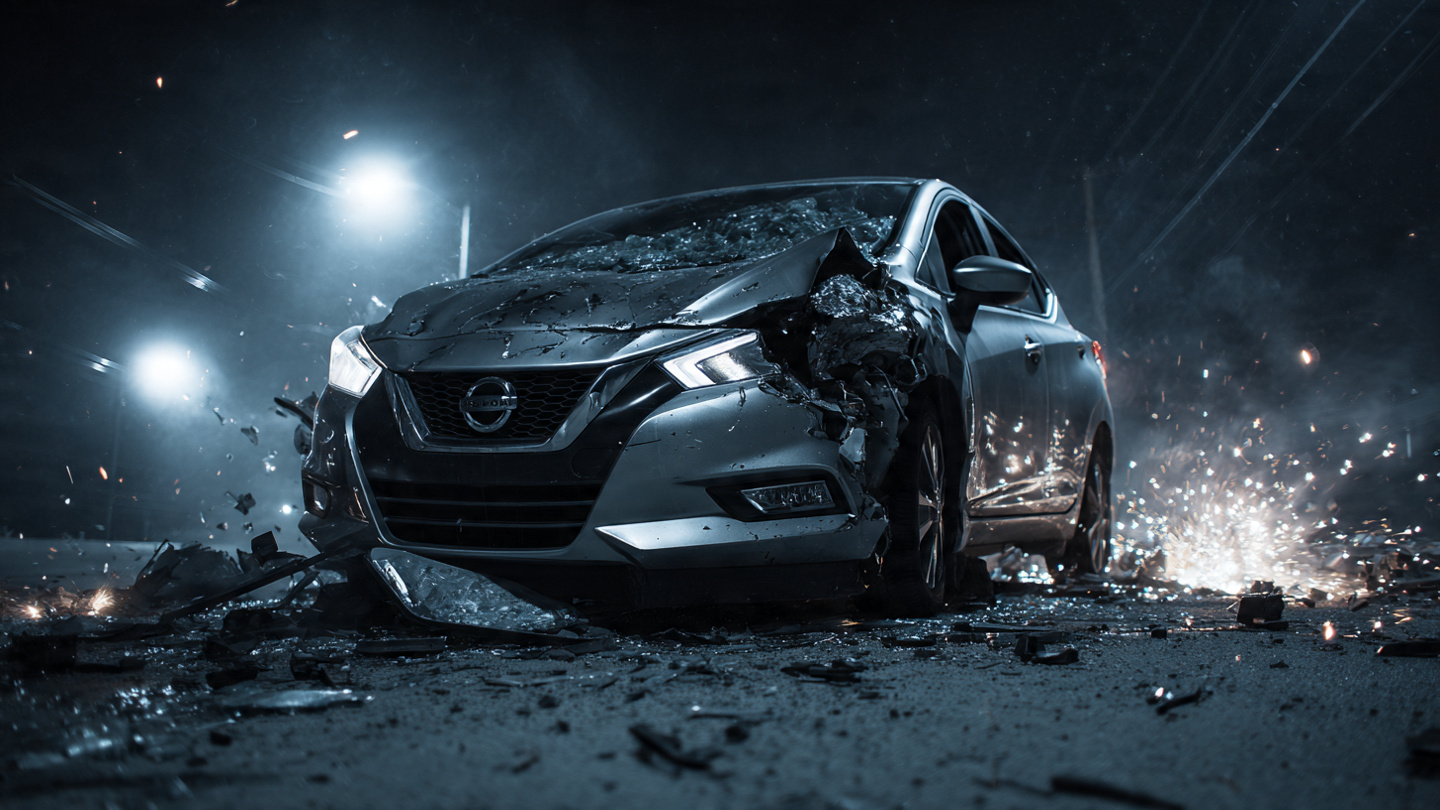
Before you congratulate yourself on finding the cheapest new car in America, pull up the Nissan Versa's FARS file. In fatal crashes involving a Versa, the Versa occupant dies 72.3% of the time.[1] That is not a freak statistical blip. That is 722 people dead across a decade of FARS data, in a car that weighs 2,400 pounds and earned a POOR rating on the IIHS small overlap front crash test.[2]
For context, a Chevy Traverse occupant dies in 39.3% of that vehicle's fatal crash involvements. A Tesla Model 3: 43.4%. An Audi Q5: 32.2%. The Versa's 72.3% sits closer to the Chevy Cobalt at 80.8% than to anything you'd call modern.[1] And the Cobalt had a literal ignition switch defect that GM concealed for a decade.
Cheap subcompacts cluster together like a support group nobody wants to join. Chevy Spark: 74.4% lethality. Chevy Sonic: 75.4%. Kia Rio: 73.0%. Honda Fit: 72.0%. Hyundai Accent: 71.7%.[1] Move up one size class to compact sedans and the picture shifts: Nissan Sentra drops to 67.1%, Honda Civic to 68.1%, Toyota Corolla to 64.1%. Move to midsize and a Ford Fusion hits 55.1%. The staircase is clear. Every dollar you spend above base-model subcompact buys you crash structure, mass, and time.
IIHS quantified this gap in their driver death rate study: minicars suffer 82 deaths per million registered vehicle years, versus 15 for very large SUVs.[3] That is a 5.5-to-1 ratio, and it is driven overwhelmingly by physics. In a frontal collision between a 2,400-pound Versa and a 5,500-pound Tahoe, the lighter vehicle absorbs disproportionately more crash energy.[4] AEB and ESC help avoid crashes entirely, but once metal meets metal, mass wins. Nissan did not even offer AEB on the 2012-2019 Versa.[2]
The cruelest detail: Versa drivers are not the reckless demographic you might assume. Their impairment rate in FARS fatal crashes is 18.5%, below the roughly 20% national average.[1] These are sober commuters who bought the cheapest new car on the lot because they needed reliable transportation, and the physics of their purchase killed them. Model year 2015 was the peak: 97 Versa occupant deaths in a single year of production.
What You Can Do
If you are shopping for a budget vehicle, spend the extra $3,000 to $5,000 to reach the compact sedan class. A Corolla's 64.1% lethality is eight percentage points better than a Versa's 72.3%, and a used Camry or Accord will undercut both on price while offering midsize crash structure. Check any vehicle you are considering at iihs.org/ratings and confirm it does not carry a POOR or MARGINAL small overlap rating. Verify your VIN for open recalls at nhtsa.gov/recalls. And if someone you know drives a 2012-2019 Versa, send them this article. They deserve to know what $14,730 did not buy them.
Sources & References
Source: NHTSA FARS 2014–2023 occupant fatalities in fatal crash involvements by make/model. Lethality = occupant deaths in that vehicle / total fatal crash involvements for that vehicle. Impairment rates from FARS toxicology reports. IIHS ratings and driver death rates from published studies. National mileage death rate from NSC preliminary estimates (Feb 2026).